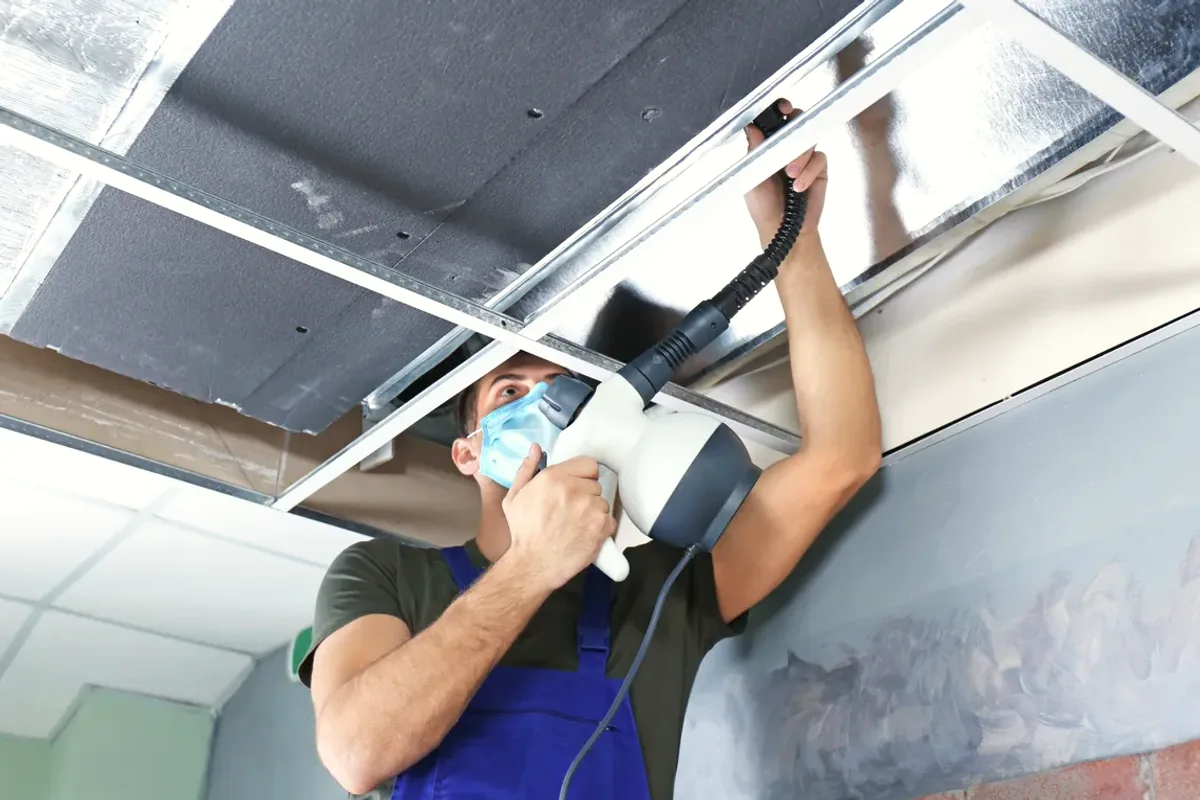
Request duct cleaning for a property in Port Dover. Include the equipment, the problem or planned work, and your location so the request can be reviewed.
What has been observed inside the ductwork, and which rooms or registers show the concern?
Duct cleaning is a targeted service for ductwork where inspection finds material that warrants removal, such as renovation debris or visible accumulation. Dust at a register or weak airflow alone does not prove that duct cleaning will resolve the concern; the cause may lie in a filter, equipment, duct restriction, leakage, or system design. An assessment should establish what is present and where. Cleaning, duct repair, and equipment service are different scopes and should not be treated as interchangeable.
An assessment can document visible debris, affected duct sections, register condition, and airflow symptoms, then distinguish contamination from restriction, damage, or an equipment issue. The findings matter because cleaning removes accessible material but does not seal leaks or correct an undersized or obstructed branch. A defined scope should identify which ducts and components are included and whether separate repair or airflow diagnosis is needed.
Inspection for visible duct debris and accumulation
Airflow concerns, restrictions, and duct damage
Condition-based cleaning scope and separate duct repairs
Assessment and Scope
Questions for the Proposed Work
01
Confirm that duct material is the problem
Dust around a vent can come from room surfaces, filter bypass, or air movement and does not establish that the duct interior needs cleaning. Inspection should look for material inside accessible duct sections and identify whether renovation debris, buildup, or another condition is present. If the actual concern is weak airflow, investigate possible restrictions or equipment causes as well. Cleaning should follow evidence, not a fixed calendar.
02
Keep cleaning distinct from duct repair
Removing debris does not repair a disconnected, damaged, or leaking duct. If inspection finds a structural problem, that condition needs its own repair scope; if airflow remains weak, the affected branch and system operation may need further evaluation. Before work starts, clarify which supply and return sections, registers, or accessible components are included. This distinction helps ensure that the selected service addresses the observed problem rather than implying a broader result.
03
Use inspection findings to define maintenance needs
Whether cleaning is warranted depends on what inspection finds, the ductwork's condition, and the manufacturer's guidance for related equipment. A fixed annual or multi-year interval is not a substitute for those findings. If dust or debris is concentrated near a system component, the source and the component's condition may need separate examination. Keep a record of the observed material and completed work to inform later assessments without assuming repeat cleaning is required.
Compare the next step
Separate the ducted system from ductless heads, radiators, and combustion venting in the request. Ask which components a cleaning quotation covers and which need different maintenance or qualified service. Any contamination evidence should be linked to the actual air path instead of attributed broadly to every installed heating appliance.
Routine cleaning is not automatically necessary and does not guarantee health or energy benefits. Resolve moisture sources and assess damaged materials rather than treating cleaning as the only remedy.