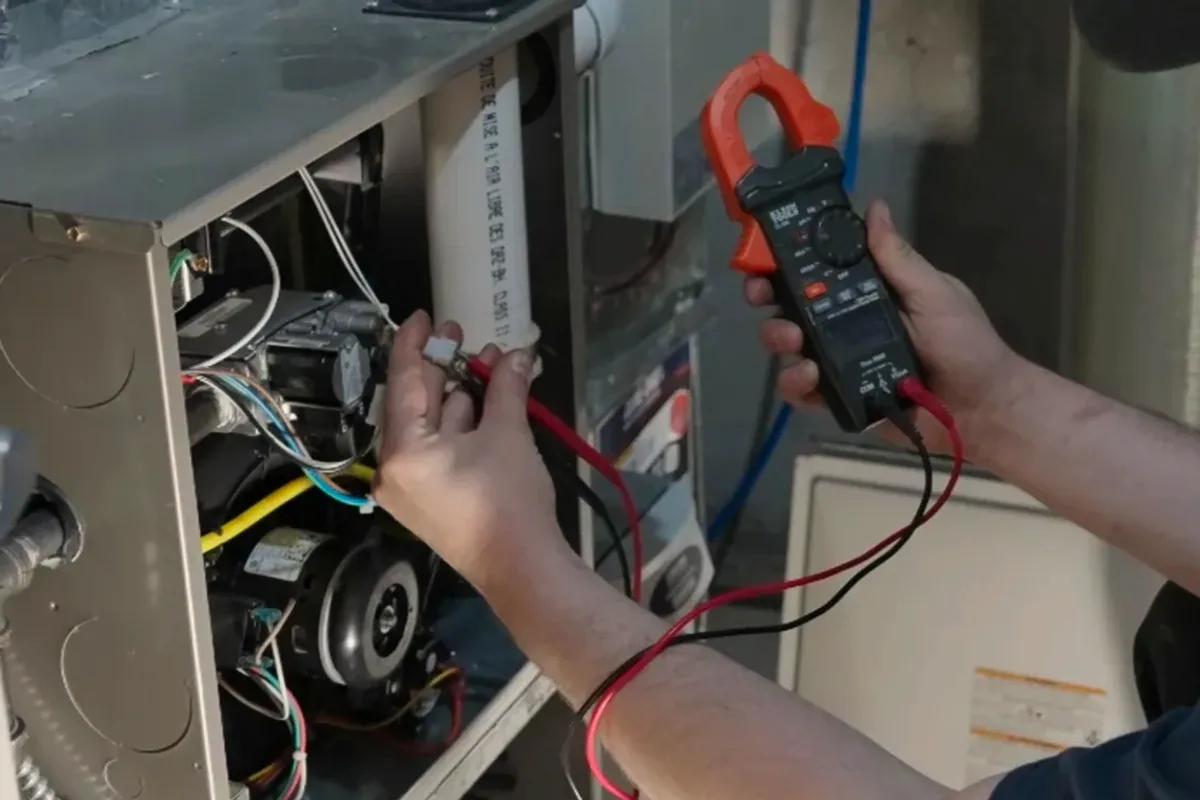
Request furnace repair for a property in Port Dover. Include the equipment, the problem or planned work, and your location so the request can be reviewed.
What should be checked when a furnace will not start or keeps shutting off?
A furnace that will not start, cycles repeatedly, rattles, or heats rooms unevenly needs diagnosis before parts are selected. The cause may involve ignition, a flame sensor, pressure switches, gas pressure, limit controls, or the blower, and those faults require different tests. Repair is appropriate when the identified fault is serviceable and the rest of the furnace is in suitable condition. If inspection finds extensive deterioration or repeated failures, compare repair with replacement rather than assuming either is best.
A useful assessment records the furnace type, fault history, operating sequence, and any error code, then tests the relevant controls and components. For a gas furnace, ignition and fuel-delivery checks differ from airflow or blower checks. These observations help distinguish a failed part from a control or venting condition and inform whether repair, further inspection, or replacement merits consideration.
Ignition, flame-sensing, and pressure-switch faults
Gas pressure, limit controls, and blower problems
Repair-versus-replacement decisions and inspection-based maintenance
Assessment and Scope
Questions for the Proposed Work
01
Trace the no-heat fault before replacing parts
A furnace that fails to ignite may have a problem with its igniter, flame sensing, pressure switch, venting, or fuel supply. A short cycle can instead involve airflow, a limit control, or another operating condition. The diagnostic sequence matters because a component can appear faulty when another condition is preventing normal operation. Fuel and combustion checks belong to qualified service work, not homeowner testing.
02
Use condition and repair history to compare options
A repair is a reasonable path when testing identifies a serviceable fault and the furnace has no broader signs of deterioration. For an older or repeatedly failing unit, compare the written repair scope with the furnace's condition, prior repairs, and compatibility with the home's heating needs. Replacement is a separate decision, not an automatic result of one breakdown. A diagnosis should explain the evidence behind either path.
03
Separate maintenance findings from a repair call
Maintenance is not a substitute for diagnosing an active fault. Inspection findings may identify a dirty filter, restricted airflow, worn blower parts, or a control issue, but service steps depend on the furnace and manufacturer instructions. A maintenance record can also show whether a fault is new or recurring. Do not open fuel, combustion, electrical, or safety-control sections; report the symptom and any displayed code instead.
Compare the next step
Map the areas served by the furnace and the conditions under which another heat source operates. Ask whether the reported complaint comes from the furnace, a changeover control, or a room outside its distribution. Have the contractor explain the intended sequence so overlapping equipment does not conceal the actual fault.
Leave burner, fuel, venting, electrical, and internal equipment work to a qualified contractor. Do not bypass a safety switch or repeatedly reset a furnace.