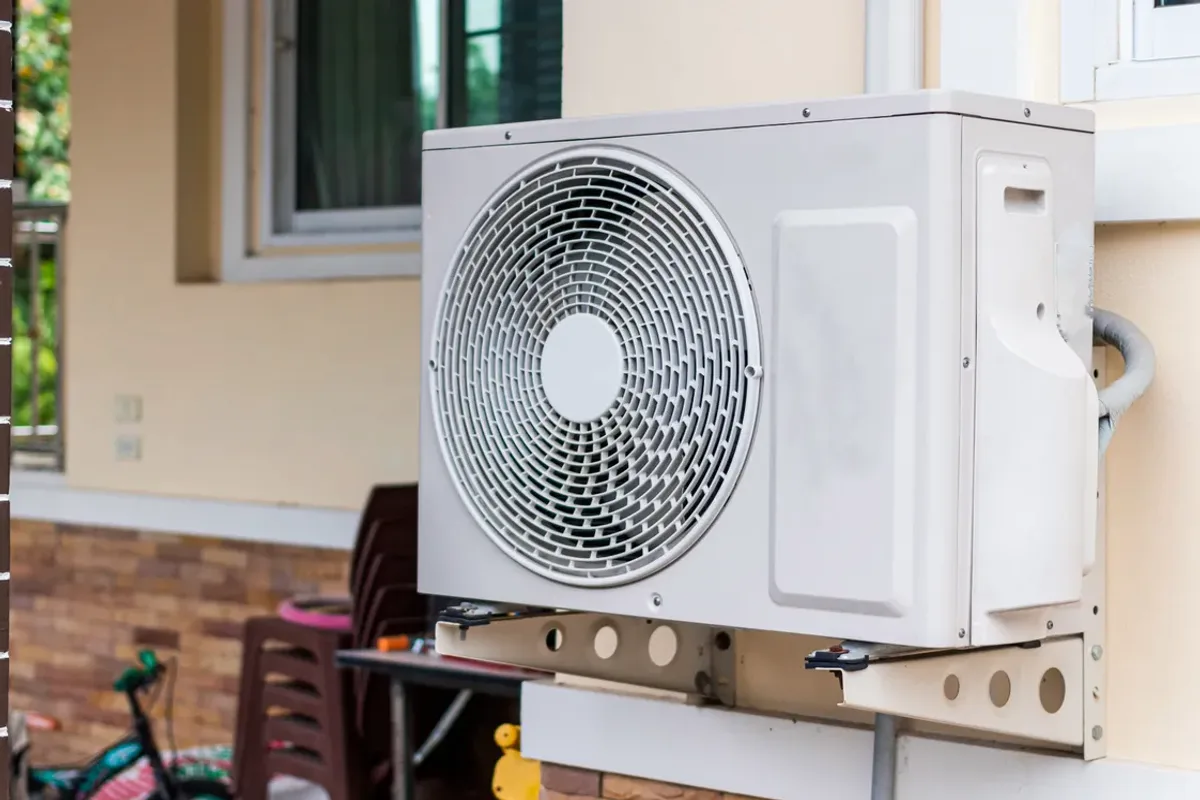
Request heat pump repair & installation for a property in Port Dover. Include the equipment, the problem or planned work, and your location so the request can be reviewed.
Does the heat pump fail in heating, cooling, or both operating modes?
A heat pump serves both heating and cooling, but a symptom in one mode may have a different cause from a problem in the other. Diagnosis should establish the operating mode, controls, airflow, outdoor-unit behaviour, and fault history before repair is chosen. Installation is a separate project requiring review of the home's heating distribution, electrical provisions, controls, and any existing supplementary heat. Comparing those findings with system condition helps distinguish repair from replacement planning.
Record the mode affected, thermostat settings, system behaviour, and any error indication without repeatedly resetting equipment. A service assessment can compare indoor and outdoor operation, airflow, electrical controls, and relevant refrigerant-circuit evidence. For a proposed installation, inspect the existing distribution and control arrangement as well. These findings determine whether the request is a repair, a design and replacement assessment, or both.
Heating-mode and cooling-mode heat-pump diagnosis
Repair decisions for controls, airflow, and system faults
Installation compatibility, distribution, and supplementary heat
Assessment and Scope
Questions for the Proposed Work
01
Diagnose the fault in the mode where it occurs
A heat pump that fails to heat may involve a different control sequence or operating condition from one that fails to cool. Uneven output, repeated cycling, or unusual noise also needs context from the system's operating state. A diagnosis should identify the observed fault and test the relevant components before recommending a repair. Electrical, refrigerant, and safety-control work belongs with qualified service personnel; do not bypass a control or keep resetting the unit.
02
Plan installation around the existing heating system
A new heat pump must suit the areas to be served and connect appropriately with the property's distribution and controls. Assessment should identify existing ductwork or other heat delivery, available electrical supply, indoor and outdoor equipment locations, and any supplementary heating arrangement. These details affect equipment and control compatibility. If the property uses a separate heating source, its role should be established rather than assuming the heat pump will replace it.
03
Compare repair, replacement, and maintenance separately
Repair may be appropriate when testing finds a specific fault and the rest of the system is in suitable condition. Replacement deserves comparison when damage is extensive, faults recur, or the existing equipment cannot meet the property's requirements. Maintenance is based on inspection findings and manufacturer instructions, not an automatic seasonal checklist. Keeping records of faults and service observations makes it easier to distinguish a one-time repair from a pattern that warrants a replacement assessment.
Compare the next step
Ask for a written description of heating duties across the retained and new systems. Define supplementary heat, changeover conditions, distribution, and control ownership. Compare the proposed operating strategy with the household objective rather than assume adding a heat pump automatically coordinates the other appliances already installed.
Cold-climate capability does not prove that one model covers every home heating load. Ask how the selected equipment and supplementary heat meet the actual design requirements.